
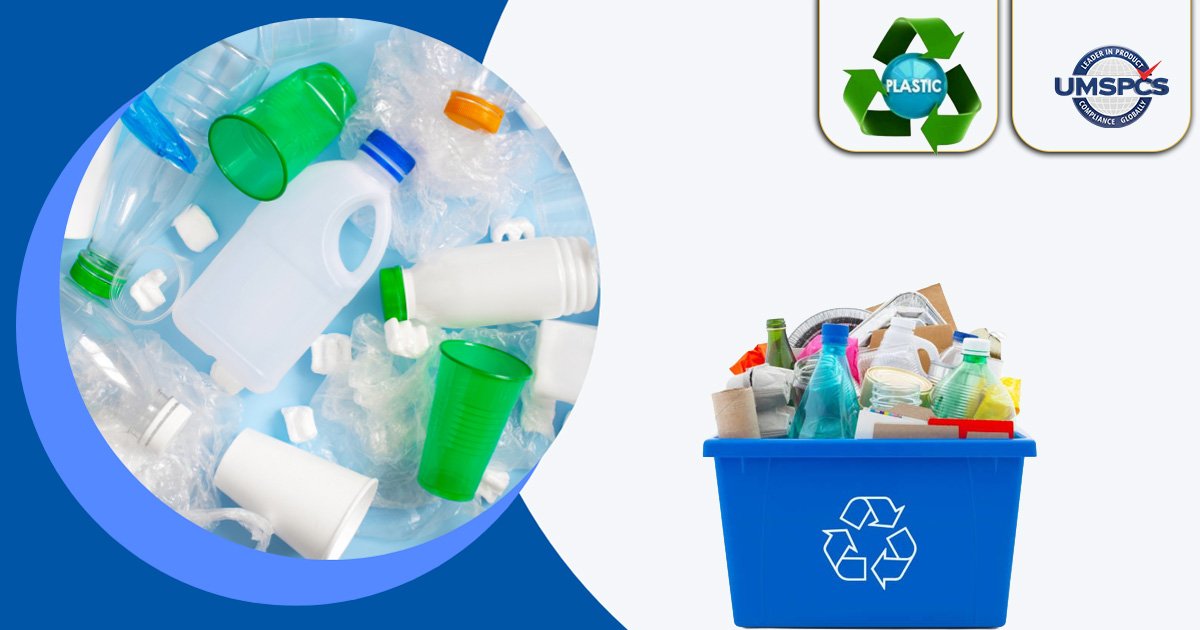
EPR Registration for Plastic Waste in India
Plastic packaging is critical for manufacturing, retail, e-commerce, and imports these days. Throwing plastic in the wrong way causes serious long-term environmental issues. In order to deal with this issue, India has set up an Extended Producer Responsibility (EPR) system, which makes companies responsible for handling plastic packaging waste over its entire lifecycle.
According to the Plastic Waste Management Rules of 2016 as amended, eligible producers, importers, brand owners, and other specified entities must register via the central CPCB plastic EPR portal and meet their relevant plastic waste management responsibilities.
EPR registration for plastic waste is therefore an important element of environmental compliance for businesses that are bringing plastic packaging into the Indian market.
What Constitutes EPR Registration for Plastic Waste?
- Collection and recycling of plastic packaging waste
- Use of recycled plastic content
- Reuse of applicable plastic packaging
- End-of-life disposal of non-recyclable plastic waste
- Maintaining records and submitting required returns
- Working with registered Plastic Waste Processors (PWPs)
Get Your Free Expert Consultation
What is Needed to Register Plastic Under EPR?
- Producers (P)
- Importers (I)
- Brand Owners (BO)
- Plastic Waste Processors (PWPs)
- Manufacturers and importers of plastic raw materials
- Manufacturers of commodities made from compostable or biodegradable plastics
Plastic Packaging Categories Under EPR
| Category | Plastic Packaging Covered |
| Category I | Rigid plastic packaging |
| Category II | Flexible plastic packaging, including single-layer or multilayer plastic packaging, sheets, covers, carry bags, sachets and pouches |
| Category III | Multilayered plastic packaging containing at least one layer of plastic and one layer of another material |
| Category IV | Plastic sheets or similar materials used for packaging and carry bags/commodities made from compostable plastics |
| Category V | Plastic sheets or similar materials used for packaging and carry bags/commodities made from biodegradable plastics |
Key Plastic EPR Obligations
1. Recycling
Businesses have to meet their relevant recycling obligations by using Plastic Waste Processors who are both eligible and registered.
2. Recycled Plastic Content
The amendments of 2026 include updated mandatory requirements for recycled content in Categories I, II and III. The percentages that apply for 2026 - 27 are:
Category | 2026 - 27 Recycled Plastic Content |
Category I | 40% |
Category II | 10% |
Category III | 5% |
These requirements may have exceptions and conditions set by the rules.
3. Reuse of Rigid Plastic Packaging
Brand owners who are using the relevant Category I rigid plastic packaging are likewise required to meet minimum reuse obligations for certain packaging sizes.
For instance, from 2025to 2026, the reuse targets will increase step by step within certain categories of rigid packaging.
4. End-of-Life Management
Plastic waste that cannot be recycled can be handled via approved end-of-life options such as waste-to-energy, waste-to-oil, co-processing, or road construction, as provided for in the regulatory framework.
Plastic EPR Registration Process in India
Step 1: Create an Email ID & Password
Step 2: Enter the Portal
Step 3: Upload Necessary Documents
Step 4: Make Fee Payment
Step 5: Submit the Application
The application will then be handled by the relevant authority, and any clarification or further information required during the examination must be provided.
Documents Required for Plastic EPR Registration
- PDF copy of the company’s PAN, CIN, & GST (including GST invoices from all States/UTs where the PIBO operates)
- PDF copy of the authorized person’s PAN & Aadhaar
- Email ID & contact number of the authorized person
- Details of products produced/marketed (type, quantity, and product images)
- Pictures of packaged products
- Registration certificate from the District Industries Centre of the State Government/UT, MSME, or Udyam Certificate
- Scanned copy of authorized person’s signature
- Copy of company letterhead
Plastic EPR Registration Cost in India
- Type of applicant
- Nature and quantity of plastic packaging
- Number of product categories
- Documentation requirements
- EPR action plan
- Applicable government or portal charges
- Compliance and consultancy requirements
Plastic EPR Registration Timeline
The applications registered under the Plastic EPR scheme take a few weeks for the entire process from submission of the application to its approval. The timeliness would depend on the adequacy and legitimacy of the said documents, correctness of information regarding plastic packaging, reviews of the application by CPCB, and time taken to respond to questions/notes sent by the authority.
Generally, applications with complete and correct information are processed more smoothly than applications with discrepancies or which are accompanied by missing documents. Also know more about EPR Certification for E-Waste Management.
What is the Importance of Registering Plastic EPR?
- Meet regulatory requirements for plastic packaging
- Establish a structured plastic waste management system
- Fulfil applicable recycling and recycled-content obligations
- Maintain better compliance records
- Reduce the risk of regulatory action for non-compliance
- Support responsible plastic waste management
- Demonstrate commitment towards circular economy practices
Common Challenges in Plastic EPR Compliance
- Incorrect identification of plastic packaging categories
- Inaccurate quantity calculations
- Incomplete documentation
- Incorrect EPR action plans
- Understanding recycled-content requirements
- Selecting appropriate Plastic Waste Processors
- Maintaining processor certificates and compliance records
- Completing annual returns correctly
- Keeping up with amendments to the Plastic Waste Management Rules
Professional regulatory assistance can simplify these requirements and cut down on errors relating to documentation. Also know more about EPR Registration for Battery Waste.
How UMSPCS Helps with Plastic EPR Registration
- EPR applicability assessment
- Plastic packaging category identification
- Documentation assistance
- Product and packaging data review
- EPR application preparation
- CPCB portal filing support
- Query and clarification assistance
- EPR action-plan support
- Guidance on ongoing compliance and reporting
Conclusion
Complying with plastic EPR requirements is an ongoing obligation, not something you only have to do once. Whether it's identifying the right packaging category, preparing the application, or dealing with the responsibilities after registration, accurate regulatory information is necessary at every stage.
For a business that manufactures, imports, sells, or markets products containing plastic packaging, it is advisable to have the relevant EPR requirements evaluated as early as possible in order to ensure a more seamless compliance process.
Connect with UMSPCS now and receive expert help with your EPR registration for plastic waste in India.
Read more also: EPR for Used Oil Registration.
Frequently Asked Questions (FAQs)
The organisations that are within the scope of the Plastic Waste Management Rules must register via the relevant central CPCB portal and carry out their required EPR duties.
The plastic EPR scheme includes responsibilities concerning the collection, recycling, the use of recycled plastic, reuse, and the management of plastic packaging at the end of its life.
Certainly, importers who are included in the plastic waste management framework might be required to register and to comply with extended producer responsibility requirements depending on the type of plastic packaging and the nature of their business activities.
Brand owners who are covered by the relevant rules must register and meet their required plastic EPR responsibilities.
After registration, there is a continued need to comply with various requirements relating to recycling, the use of recycled content, reuse, end-of-life management, and reporting.
It is important to have accurate packaging information when determining our obligations and filling in the application, since missing or incorrect data may result in queries or delays.
Plastic waste processors carry out the handling of eligible plastic waste by means of approved recycling or end-of-life processes and supply the relevant documentation or certificates required for compliance.
Certainly, the obligation regarding compliance does not come to an end. Entities that are applicable must still achieve their EPR targets, keep records, and carry out the necessary reporting.