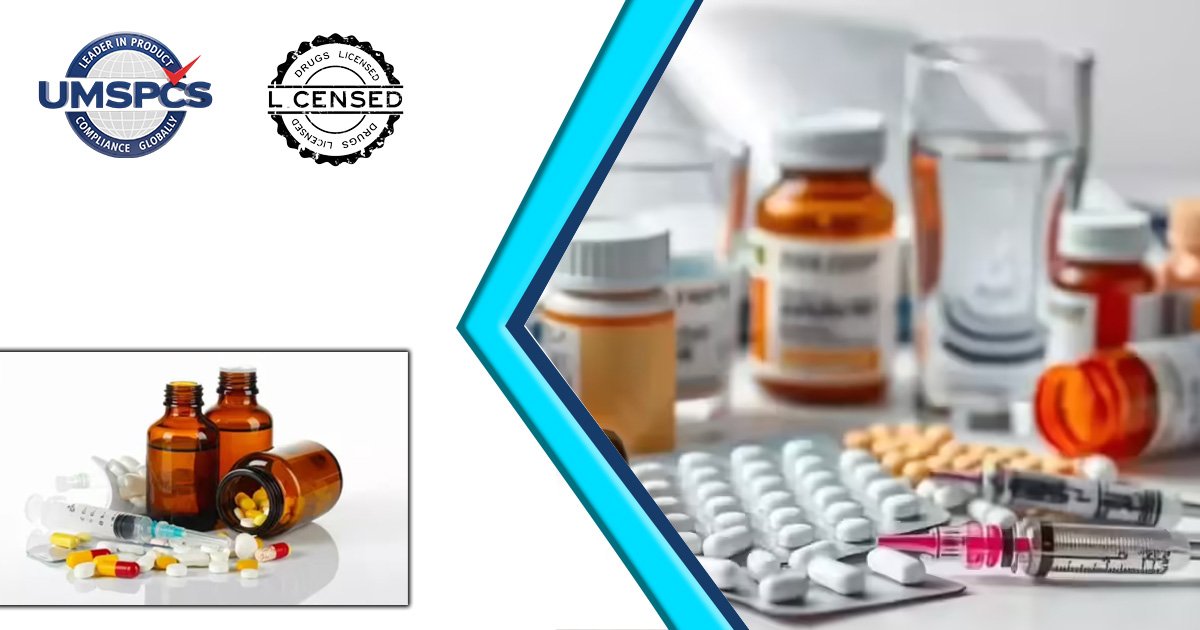
Drug Licence Registration in India
To operate a drug-related or pharmaceutical company in India, the business in question has to not only produce the right kind of drugs but also follow the local regulations about drug operations. If you are into retail pharmacy, wholesale business, drug manufacturing operations, or import operations, you are expected to obtain the necessary type of Drug License in India to conduct any activities covered by drug regulations.
The drug license is a mandatory certification that serves as proof that your business is following the requirements that govern the way a company handles, produces, sells, or distributes pharmaceutical products. Depending on the type of dealings with pharmaceuticals, type of drugs, location, and availability of storage facilities, the conditions for getting a drug license can vary.
The licensing procedure for drugs is actually governed by the legislation enacted, called the Drugs and Cosmetics Act of 1940, and the rules promulgated, called the Drugs Rules, 1945.
The complexity arises due to the understanding of the type of licence needed, and the collection of documentation and fulfilling all necessary requirements written down for a specific category. However, if a business can avail itself of professional compliance support, then the whole thing becomes clearer.
What Constitutes a Drug Licence in India?
- Type of drug business
- Nature of activities performed
- Drug category and applicable schedules
- Location of the premises
- Storage facilities
- Qualification of the competent person
- Manufacturing or distribution arrangements
Get Your Free Expert Consultation
Who Grants a Drug Licence?
The authority responsible and the way in which approval is obtained will vary depending on the type of proposed activity and the category of product.
The Drugs Rules state that when licences are being sold, the licensing authority must ensure that the premises have suitable storage facilities and are subject to the supervision of a competent person.
Types of Drug Licence in India
1. Retail Drug Licence
The form of licence that applies can vary according to the category of drug; for instance, Forms 20 and 21 apply to certain categories of drugs as specified in the Drugs Rules.
2. Wholesale Drug Licence
Forms 20B and 21B are used for certain categories of drugs, the choice depending on how the drugs are classified within the Drugs Rules.
3. Drug Manufacturing Licence
The requirements may include manufacturing premises, equipment, technical staff, quality-control systems, inspections, and product-specific documents.
4. Loan Licence
5. Import Licence
The requirements for importation can vary a great deal according to the product, the manufacturer, the country in which it was made, and the regulatory status of the drug.
6. Licences for Multiple Premises
Eligibility for Drug Licence Registration
Key considerations include:
- Suitable business premises
- Adequate storage facilities
- Appropriate temperature and storage conditions, wherever applicable
- Qualified or competent personnel
- Required equipment and infrastructure
- Proper business and ownership documentation
- Compliance with applicable drug-specific requirements
The Rules specify minimum requirements regarding the size of the premises and conditions relating to competence for certain types of sale licence. It therefore follows that eligibility must be determined on the basis of the particular licence category rather than applying one set of requirements to all drug businesses.
Benefits of Obtaining a Drug Licence
- Operate drug-related activities within the applicable legal framework
- Demonstrate regulatory compliance
- Establish a compliant pharmaceutical business
- Maintain proper storage and distribution practices
- Reduce the risk of regulatory objections
- Support lawful sale and distribution of drugs
- Build greater confidence among customers and business partners
Drug Licence Registration Process in India
Step 1: Determine the Licence Type
Step 2: Verify Eligibility
Step 3: Arrange the Documents
Step 4: File the Application
Step 5: Application Review
Step 6: Inspection of the Premises
Step 7: Receive the Drug License
Documents Required for Drug Licence
- Aadhaar card and PAN card of applicant
- Business registration proof
- Address proof of premises (rent agreement or ownership)
- Site plan and layout of shop
- Refrigerator details (for temperature-sensitive drugs)
- Pharmacist or competent person details
- Appointment letter of pharmacist/competent person
- Affidavit as required by drug department
Timelines for Drug Licensing in India
An application that is straightforward and comes with complete documentation is likely to be processed faster, while one that needs inspection, requests additional clarifications, and requires approvals regarding the particular product would take longer.
The estimated time frame is that standard licensing procedures take between 2 and 30 working days, depending on the relevant authority and the type of licence.
Validity and Compliance of Drug Licence
Businesses must continue complying with applicable conditions relating to:
- Storage and preservation of drugs
- Purchase and sale records
- Qualified/competent personnel
- Premises requirements
- Display and maintenance of licence
- Applicable inspection requirements
- Drug-specific regulatory conditions
Failure to comply could lead to regulatory action, such as having the licence suspended or cancelled.
Common Challenges in Drug Licence Registration
- Selecting the wrong licence category
- Incomplete or inconsistent documentation
- Inadequate premises or storage arrangements
- Issues related to technical personnel
- Incorrect application information
- Regulatory queries
- Inspection-related observations
- Product-specific compliance requirements
Carrying out a proper compliance assessment before filing will allow these issues to be dealt with at an early stage. Get to know more information about the CDSCO Approval License.
What Attracts You to UMSPCS for Registering a Drug Licence?
UMSPCS, benefiting from more than six years of experience in compliance and support with 600+ product regulatory requirements, works to make the licensing process more structured and based on documentation.
Our support can include:
- Identifying the applicable Drug Licence
- Reviewing eligibility requirements
- Preparing and organizing documentation
- Application and submission support
- Regulatory query assistance
- Coordination for applicable inspection requirements
- Follow-up with the concerned authority
- Post-licensing compliance guidance
Conclusion
Maintaining a proper Drug License in India is one of the most significant regulatory steps that any business involved in selling, distributing, manufacturing, or importing drugs must complete. Selecting a relevant license and compiling the necessary documentation (along with abiding by regulatory requirements) is a task that requires careful attention at every stage to avoid any unnecessary delays.
Using UMSPCS, you will receive full support with regard to Drug Licence registration, covering eligibility assessment, the preparation of the documentation, assistance with the application, coordination with the regulatory authorities, and follow-up. Our focus on compliance helps to simplify the process and ensures that your application remains in line with the relevant requirements. Read more also: CDSCO for Medical Device.
Are you planning to apply for a Drug Licence?
Frequently Asked Questions (FAQs)
A drug licence is a regulatory approval that is needed to carry out certain activities concerning drugs, for example, selling, stocking, distributing, manufacturing, or importing them.
The process of granting drug licences is carried out by the relevant drug licensing authority, state licensing authorities looking after a number of activities at the state level, and the CDSCO attending to the particular central regulatory functions.
Companies which are engaged in regulated drug activities, such as retail sale, wholesale distribution, manufacturing, and some import activities, might need the relevant licence.
Retail, wholesale, manufacturing, loan, and import licences are all examples of the types available. The kind of licence needed will depend on the business activity and the drug category.
The requirements for inspection will vary according to the type of licence and the relevant regulatory procedure; in some cases the authority can inspect the premises before issuing the licence.
So long as the prescribed retention fee is paid every five years and the relevant conditions are continued to be met, several sale-licence forms can remain valid.